
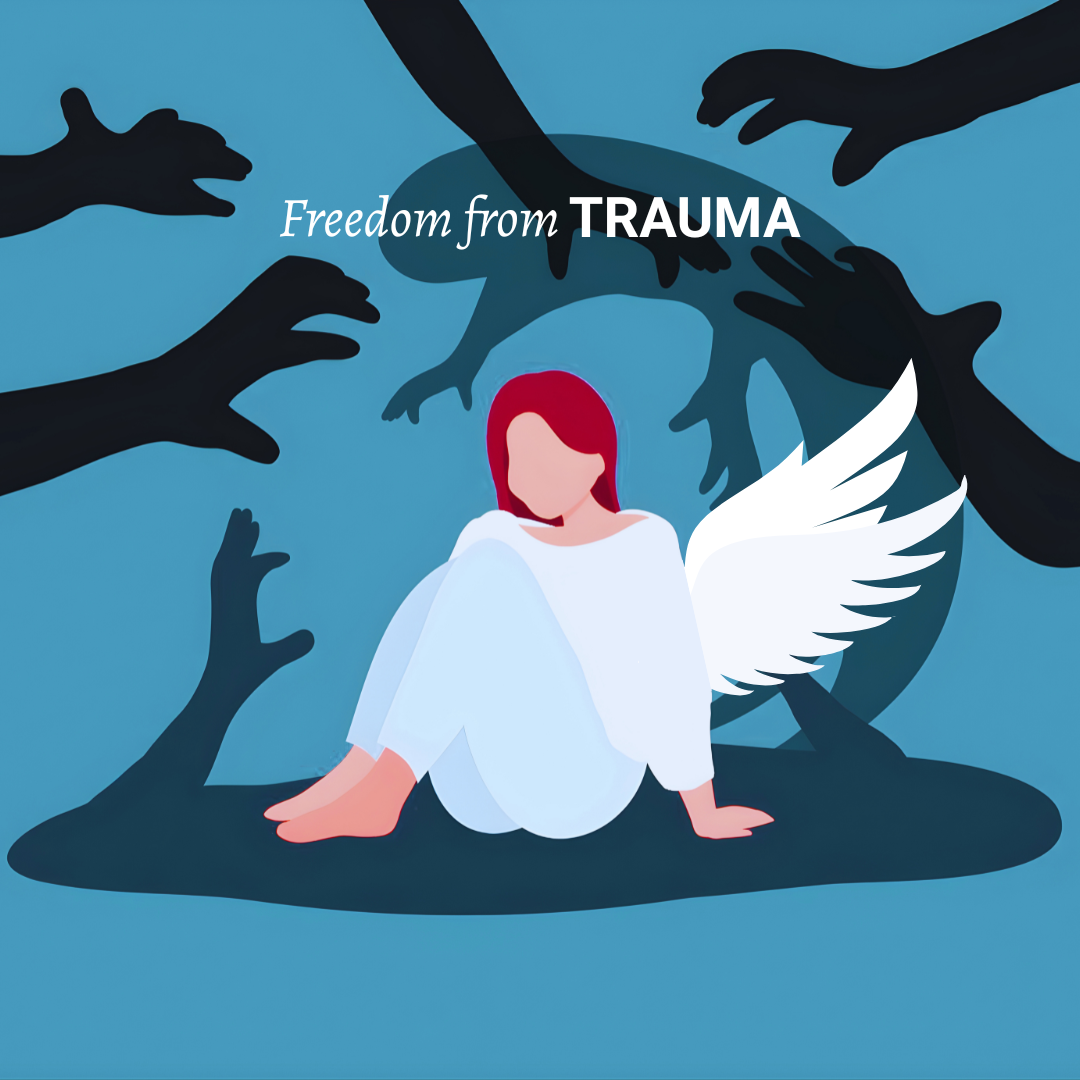
Overcoming Trauma
& PTSD with Hypnotherapy
Hypnotherapy utilises the power of the subconscious mind through regression, guided imagery, relaxation and suggestion, to address PTSD symptoms and promote recovery and deep healing. These techniques aim to access and reframe traumatic memories and enhance coping skills and resilience. They are designed to bring the nervous system off high alert and back into homeostasis (The body’s internal thermostat and balance).
The goal of trauma release hypnotherapy is to help the subconscious mind recognise that the trauma is over and you are safe. This supports nervous system regulation, reduces hyperarousal and anxiety, releases distressing symptoms and shifts unhelpful beliefs and coping patterns. Hypnotherapy promotes deep healing and empowers clients to move forward without being defined by the past and reclaim personal power back.

The Social Impact of Trauma & PTSD
Trauma can affect people of all ages and backgrounds and can have a significant impact on various aspects of their lives, including relationships, work and daily functioning. The symptoms of PTSD can include intrusive thoughts and vivid memories or nightmares related to the trauma. These can be distressing and may lead to intense emotional reactions such as fear, anger or sadness which may persist for months or years after the traumatic event has occurred. It can even affect personality change.
PTSD can lead to negative changes in personality change, thinking patterns and mood. These symptoms can make it challenging or impossible to relax or feel safe. To cope with the distressing memories and emotions of trauma, sufferers of PTSD may avoid reminders of the event, including avoiding places, people, activities, or conversations that trigger distressing memories or emotions.
Process & Techniques
Basic Techniques
• Arrow Technique
• Calm Anchoring
• Autogenic Training
• EFT Tapping
• Emotional Release Content Free
• The Grey Room
• Cord Cutting & Healing
• NLP Swish Pattern
• Stress Reduction Techniques
• Breathwork (3 in 1, Square, Balloon)
• Time Distortion
• Radical Acceptance
• Phobia Release/Rewind Technique
• Muscle Relaxation (Passive/Active)
Guided Imagery
Guided imagery (or Mental Rehersal) uses the imagination of the inner mind. The subconscious mind’s language is to create pictures, sensations and feelings while you are deeply relaxed and focused. Imagery may be realistic or symbolic and is built through sight, sound, smell, taste and touch. It allows the body to return to homeostasis for healing. It prepares the mind for action.
Parts Therapy
A gentle hypnosis based process that helps you meet and understand different “parts” of you, like the anxious part, the wounded part or the protector part. We guide these parts to communicate with each other, release conflict and agree on healthier goals, so you feel calm, aligned and in control again.
EMDR
It is a trauma focused therapy that helps the brain reprocess distressing memories. While recalling a memory, you use bilateral stimulation (eye movements, taps, tones or light bars). This reduces emotional intensity, updates new beliefs and allows the memory to feel resolved and less triggering.

The Symptoms & Impact
The reason we have strong emotions to trauma and distressing events is for survival and safety.
Everyone feels some or all of the following symptoms when involved in a crisis…
◼Emotional Effects - Feeling anxiety, fear, terror, anger outburst, irritability, shock, grief, numbness, detachment from others, guilt, helplessness, hypervigilence, vulnerability, abandonment, catastrophising etc.
◼Mental Effects - difficulty concentrating, restlessness, trouble remembering some aspects of the trauma, difficulty making decisions, tremors, confusion, intrusive thoughts, a sense of disorientation etc.
◼Physical Effects - Increased startle response, heart palpitations, exhaustion, insomnia, headaches, nausea and other digestive issues, rapid heartbeat, feeling foggy or lightheaded, loss of interest in usual activities.
◼Relationship Effects - Marriage breakdown, Disinterest, hostility, withdrawal, poor work or school performance, blame, a desire to avoid contact with the outside world, over protectiveness of family members.
◼Cognitive Symptoms - Intrusive thoughts or memories of trauma, flashbacks, nightmares, dissociation (feeling disconnected from self or surroundings), difficulty concentrating, memory gaps (especially around the trauma), negative beliefs about self or the world (“I’m not safe,” “I’m broken”)
◼Physical Symptoms - Symptoms as chronic fatigue, tension headaches, digestive issues (e.g., IBS, nausea), muscle pain or body aches, sleep disturbances (insomnia, frequent waking), racing heart, sweating, dizziness, startle response (exaggerated reaction to sudden noise or movement).
◼Behavioural Symptoms - Symptoms as addiction (substance use, gambling, food, sex, etc.) as coping mechanisms, avoidance behaviours (avoiding places, people, or topics that trigger memories), self-harm, eating disorders, compulsive behaviours, isolation or withdrawal from others, difficulty maintaining relationships or trusting people, unable to take care of one self financially or daily functions, planning or organisation.
Trauma-related responses can be intense and may last weeks, months, or even years depending on the nature of the event, the person’s perception, their emotional response and levels of resilience and vulnerability.
The Freedom Reset: Trauma Release Program

Session One
Clarify Presenting Issue
Identify what you no longer wants (anxiety, depression, fear) and define how you want to feel (calm, confident, safe).
Explore Core Beliefs & Early Programming
How childhood experiences shape unconscious beliefs and self-identity.
Reconnect to Your True Nature
Help you understand you were not born broken, symptoms are learned adaptations, not identity.
Establish Safety & Responsibility
Trauma healing requires physical and emotional safety and helpful environment.
Build Confidence & Trust in yourself
Instill hope, new beliefs, new story and position you as an active participant in their healing and empowerment.
Pre-Talk & Reconnection

Session Two
Address Unprocessed Emotions
Work with anger, fear, guilt, sadness and emotional residue from past events.
Inner Child Integration
Guide you, the client to reconnect with and rescue younger parts still holding trauma.
Remove Emotional Charge
Use subconscious processes to reconsolidate poorly processed incorrectly store memories.
Restore Nervous System Calmness
Help the body update that “it’s over” and establish present day safety.
Empowerment Over the Past
Shift identity from victim of events to empowered adult self. Establish new story over the old story.
Emotional Release

Session Three
Evaluation & Parts Work
Review Progress
Assess emotional shifts, symptom reduction, and belief changes.
Identify Remaining Blocks
Address lingering patterns, emotional charges or resistant parts.
Parts Work (if needed)
Integrate conflicting internal parts still holding fear or old programs.
Secondary Gain Work
Explore unconscious secondary benefits attached to old patterns.
Strengthen New Identity
Reinforce new beliefs, self-concept and empowered narrative.

Session Four
Freedom & Future Integration
Consolidate Changes
Anchor new emotional baseline and belief structure.
Future Pacing
Guide the client into imagined future situations responding calmly and confidently.
Goal Installation
Place aligned actions and self-identity into future timeline.
Resilience Building
Reinforce regulation tools and internal resources.
Closure & Empowerment
Complete process with clarity, autonomy and forward momentum


According to data from the Australian Bureau of Statistics (ABS) National Survey of Mental Health and Wellbeing, approximately 6.4% of Australian adults aged 16-85 have experienced PTSD at some point in their lives.
Legal & Ethical Consideration
In Australia, hypnotherapy isn’t government-regulated, so standards come from professional ethics and training
Medical hypnosis should be used with appropriate medical support.
Your medical history and current treatments should be mentioned for safety and appropriate session planning
Confidentiality is always respected and information is only shared with your permission
Medical hypnosis never claim to “cure” any medical conditions and no outcomes are guaranteed
Some severe mental health disorder is unsuitable for hypnotherapy (DID, Schizophrenia)
Collaboration with your healthcare providers supports an integrated treatment approach
Sessions can be timed to complement medical care (for example around treatment discomfort)
Informed consent is essential: you understand benefits, limits and any risks before we begin
We avoid masking symptoms that require medical assessment (hypnosis should never delay urgent medical care)
Frequently Asked Questions
-
What is hypnosis?
Hypnosis is a deep state of relaxation and focused attention. It is a collaborative interaction when a client is guided by the hypnotist to respond to suggestions for changes in their subjective experience, memory, sensation, emotion, thought or behaviour. It is a solution focused therapy and it is used to send helpful messages to the subconscious mind to bring about powerful change. When someone is hypnotised or in trance, they're really relaxed and can absorb information and suggestions without realising it. This is also called being in a ‘trance state’ and this happens when people are on autopilot mode, just woken up or in the flow of creative painting etc.
-
What is the subconscious mind?
The subconscious mind is all the life's experiences recorded and stored in our mind and body. It includes all thoughts, memories, feelings, desires, instincts, and automatic behaviours that influence our thoughts and actions that are outside of our immediate awareness. The subconscious mind plays a significant role in shaping our identity, belief system, attitudes, habits, and behaviours. In hypnosis, the subconscious mind plays a significant role because it becomes accessible and receptive to suggestions when the person is in a trance state. It can bypass the conscious mind and influence the unconscious and create positive and desired changes in a person's life.
-
Can I have a health fund rebate?
Clinical hypnotherapy is not covered by Australian Medicare. Several private health funds will provide refunds for a portion of your costs, depending on your coverage level. Please contact your private health fund to check whether your coverage includes hypnotherapy. For client in the United States, you may need to check with health organisation beforehand to see if it is covered.
-
How many sessions are recommended?
Generally, for Quit Smoking, only 1 session is needed for long lasting change. For Desired Weight Management, 2 session is needed. For others, it is recommended to have between 4-6 sessions in total, but it can vary due to the individual. This will be determined in the first session during the pre-talk to understand your issue and what we needs to be work on.
-
What does it feel like to be in trance?
It is a deep state of relaxation. Many people think being in a trance is like being asleep, but that's not true. Trance is actually a natural state of mind that we all experience in our everyday life, when your brain waves slows down to Theta. If you've ever listened to a guided meditation, focused on a book, movie, tv, writing or painting, you've been in a trance. When you're in a trance, you're fully aware and in control of what you're doing and saying.
-
Do you offer hypnotherapy sessions online?
Yes, hypnotherapy via Zoom is available. You will have an amazing time in the comfort of your own home. You will just need to have stable internet connection, a comfortable bed, and remove all sound disturbance, please have a private space so people are not entering your space and ensure your pet is not barking and jumping at you. If you would like, please use headphones to block out any noise. Lastly, to turn your phone on silence for the 90 mins session.
-
How long is 1 session?
A session is usually 90 mins or 120 mins (for cases like quit smoking). This include a pre-talk to understand the situation and establish the goals before the therapy starts.
-
What is the cancellation & refund policy?
We have a 50% cancellation policy applied UNDER 24 hours. Meaning, if you don’t show up or cancel your session within 24 hours, we will only refund 50% of the full payment. If cancellations made MORE THAN 24 hours before a session, you will get a full refund. To cancel, please email radiancebynancy@gmail.com